The Difference Between Small and Growing Ministries
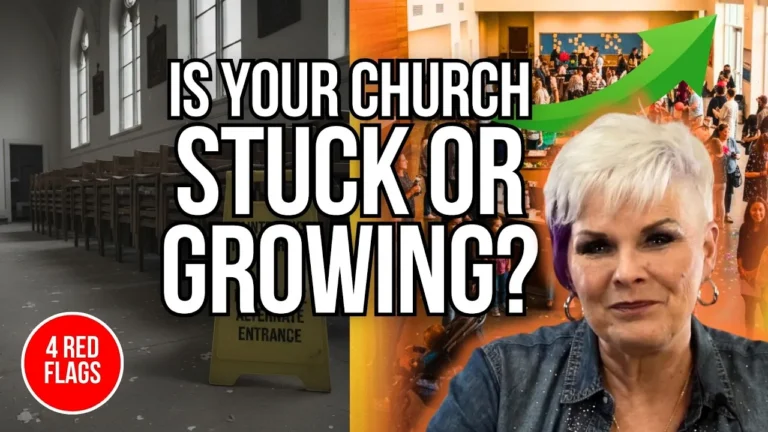
It is not a sin to start small, but remaining stagnant for years is a sign that structural changes are needed. The difference between a ministry that is merely surviving and one that is thriving comes down to a few core operational shifts:
Meetings: Small ministries claim they “don’t have time” for meetings. Growing ministries understand that effective meetings are the engine of progress.
Workflow: Small ministries are perpetually busy doing the work. Growing ministries are highly effective at delegating the work.
Vision: Small ministries can only see the immediate fires right in front of them. Growing ministries see the bigger picture and plan for the future.
Crisis Management: Small ministries constantly run around putting out fires. Growing ministries find out why the fire started and fix the root cause so it doesn’t happen again.
Good Leaders vs. Great Leaders
Growth requires leaders to level up. To foster a culture of expansion, individuals must move beyond being simply “good” and strive to be “great.”
Solving vs. Identifying: Good leaders have the ability to see a problem. Great leaders know how to get that problem fixed. (A problem without a solution is just a complaint.)
Creativity: Good leaders are highly creative on their own. Great leaders create an environment that draws out the creativity of others.
Management vs. Influence: Good leaders act as managers who control subordinates. Great leaders build influence and cultivate dedicated followers, allowing their teams the freedom to try, fail, learn, and try again.
Vision Scope: Good leaders focus on short-term successes (e.g., getting a quick result). Great leaders focus on long-term success (e.g., ensuring lasting discipleship and growth).
Communication: Good leaders push orders. Great leaders ask insightful questions to prompt critical thinking.
Authority: Good leaders rely on positional authority (“Do it because I’m the boss”). Great leaders rely on influence and mutual respect.
4 Crucial Steps to Leading People Effectively
To build a growing organization, leaders at every level must implement these four significant steps.
1. Strategic Alignment
Every leader and volunteer must be in total alignment with the overarching vision of the house. This means knowing the direction, understanding the main focus, and communicating that vision enthusiastically. Alignment is not just about showing up; it is about attitude. A leader’s actions, conversations, and mindset must consistently echo the vision set by the organization’s top leadership.
2. Operational Performance
Leaders must actively celebrate the achievements of their teams. People rarely leave bad organizations; they leave bad bosses. Cultivating a positive, faith-filled environment is essential. Speak life into volunteers, call out their potential, and cheer them on.
Furthermore, a culture of healthy operational performance means taking ownership of failures. When leadership makes a mistake, admitting it openly builds profound respect and trust within the team.
3. People Development
Organizations grow when their leaders develop other leaders. A single leader can only manage a limited number of people before hitting a ceiling. To break through, leaders must coach, mentor, and build the skills of their teams.
If a volunteer lacks creativity, provide them with clear, structured resources.
If a team struggles with execution, host mock-training sessions.
If expectations are constantly missed, re-evaluate communication. (Remember: Expectation is communication.)
4. Problem Solving
Leaders must confront issues head-on. Ignoring a problem guarantees it will worsen. Like a single bad apple left in a bag, a toxic attitude or unresolved conflict will eventually spoil the whole environment. Confrontation is rarely comfortable, but great leaders stay composed, address murmuring or insubordination directly, and bring swift resolution to protect the health of the team.
Your Past is Data, Not Destiny
The greatest barrier to growth is often the limitations leaders place upon themselves based on their past or their background.
Consider the trajectory of those who build massive empires from nothing. They often start with no credentials, a history of failure, and countless critics telling them they belong in a box. Yet, they succeed because they understand a fundamental truth: Where you start does not determine where you finish.
Your past is just data; it is not your destiny.
Do not wait for permission to lead effectively. Refuse to let a lack of experience, a challenging background, or the doubts of others define your future. Make the decision to grow. Implement the systems, hold the meetings, confront the issues, and empower the people around you. When you commit to a lifetime of growth, there is no limit to the impact you can make.